Screen
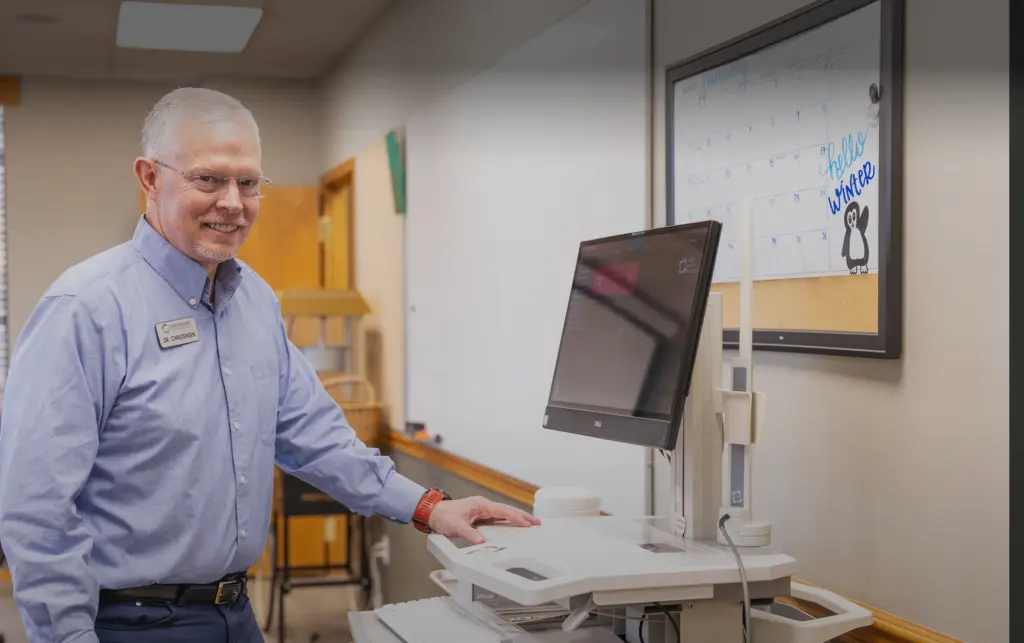
We begin by screening for airway, sleep, and growth patterns. Snoring, mouth breathing, restless sleep, early crowding, and facial development often signal structural issues. The goal is to find the root cause of problems before treatment begins.
Prioritize Function
Before changing structure, we look at function. Can the patient breathe through the nose? Does the tongue rest against the palate? Are lips sealed at rest? If function is compromised, long-term stability is difficult to achieve and symptoms are likely to worsen over time.
Assess With Data
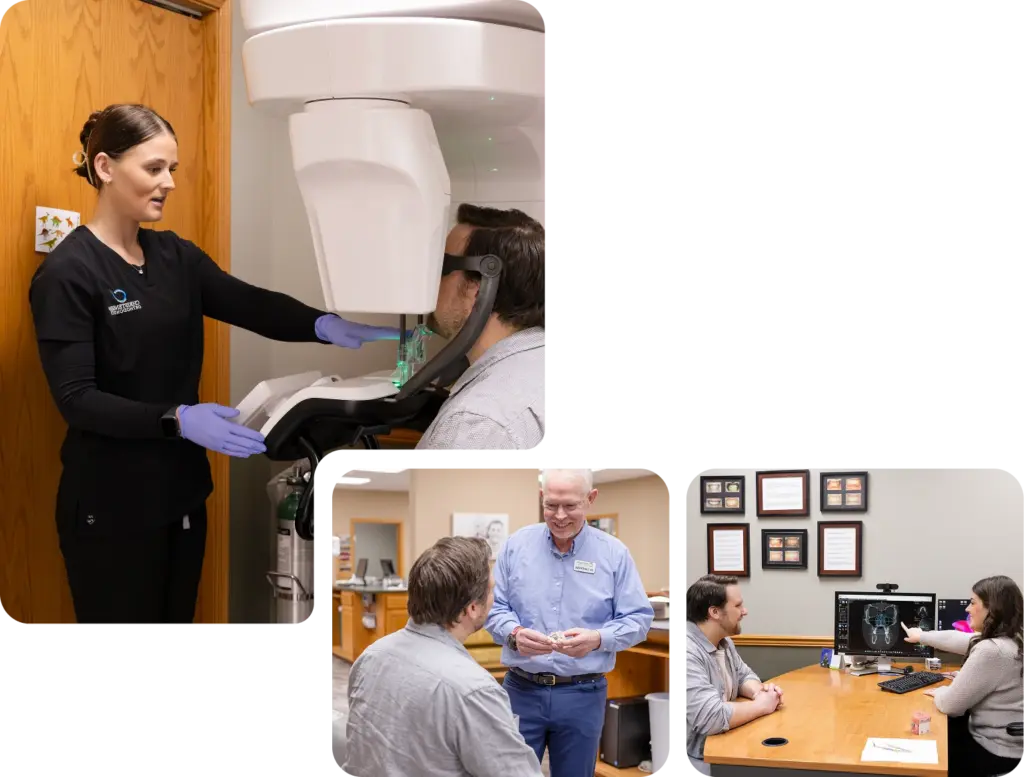
We measure what matters: palatal width, nasal floor width, minimum cross-sectional airway size, total nasal volume, mandibular position, and tongue space. This data tells us definitively whether the upper and lower jaws are narrow and underdeveloped or not.
Create Space
When the upper jaw is narrow or underdeveloped, we expand it to widen the palate, improve nasal airflow, create proper space for the tongue, and support more stable breathing. The goal is to produce lasting orthodontic results while preventing, reducing, or eliminating symptoms associated with sleep-related breathing disorders, including obstructive sleep apnea.
Evaluate Outcomes
Throughout treatment, we take measurements to closely track progress and make adjustments as needed. Has nasal breathing improved? Has airway size increased? Are sleep patterns more stable? If the structure changed, we should see it reflected in how the patient breathes, sleeps, and functions day to day.