
“When it’s used properly, orthodontics can change much more than how teeth align. Airway orthodontics looks at the position and width of the jaws and how they influence breathing, sleep quality, facial growth, and long-term health.
After my own heart attack forced me to take sleep apnea seriously, I began looking at orthodontics differently. When I later saw how a compromised airway affected my three-year-old granddaughter, I redefined what early treatment meant in our practice.
Since 2013, we have measured airway and structural changes in more than 340 cases and organized our approach into the SPACE Framework™. It’s a disciplined, data-driven way of practicing orthodontics.
In our practice, orthodontics begins with structure and breathing. Then we address cosmetics.
We measure every case before, during, and after care is complete. We don’t guess.”
—Dr. Bret Christensen

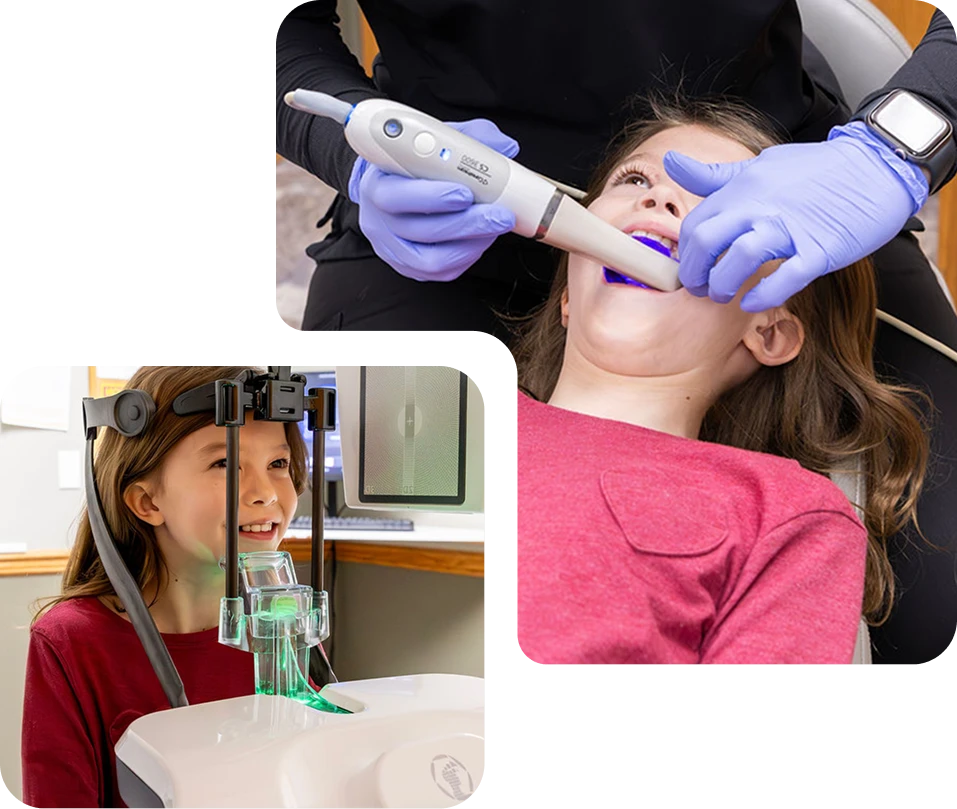
We are not tooth-focused. We are health-focused.
Crooked and crowded teeth are often visible symptoms of structural problems. Narrow or underdeveloped jaws are frequently the root issue. When structure is limited, teeth crowd, breathing becomes unstable, and long-term stability suffers.
Airway-focused orthodontics evaluates jaw width, growth, and breathing before moving teeth. The goal is healthy growth in children, reduced pain in adults, and measurable improvement in sleep-related breathing problems when structure contributes.
If you want to understand how structure and breathing are influencing your health and orthodontic outcomes, the first step is a Comprehensive Airway Evaluation.
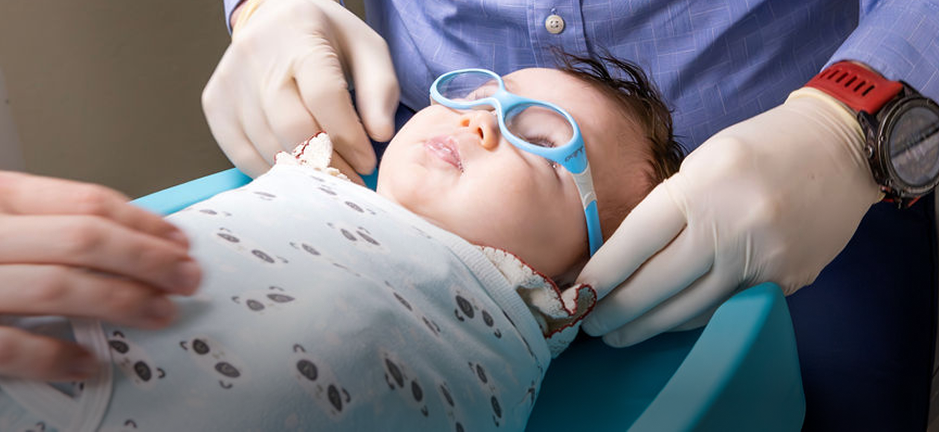
Orthodontic care for children begins with jaw growth and airway health, not braces. Airway evaluation may begin at birth when tongue or lip ties affect development. In some cases, structural guidance and appliance therapy begin as early as age three.
01
Early Evaluation Matters
If a child’s jaw develops narrow, facial growth and airway space can become compromised. Early intervention supports forward development of the face and jaws, a larger airway, and space for permanent teeth.
02
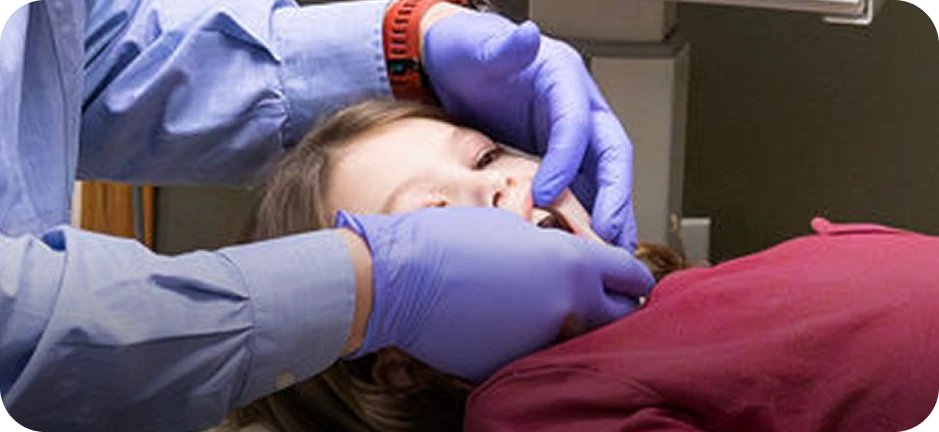
We Measure Before We Treat
We assess jaw width, airway space, and growth patterns before recommending treatment. Some children need intervention. Others need monitoring.
Teen years are often when families consider braces. For us, growth and breathing still come first.
If a teen has narrow jaws or is a habitual mouth breather, straightening teeth alone will not change that path. Without structural correction, crowding, clenching, airway narrowing, and sleep-related breathing problems can progress into adulthood.
Root Cause Diagnosis
Teens with narrow palates often have crooked teeth and underdeveloped airways. The earlier we measure and understand the cause, the better the outcome.
Structure Supports a Beautiful Smile
Most teenagers want a beautiful smile. We correct structure first so breathing is stable and the smile holds over time.
The first step is a Comprehensive Airway Evaluation.
For teens in Lewiston, Moscow, and Grangeville, orthodontic care is not just about appearance. It is about guiding growth, supporting healthy breathing, and setting the stage for long-term stability.
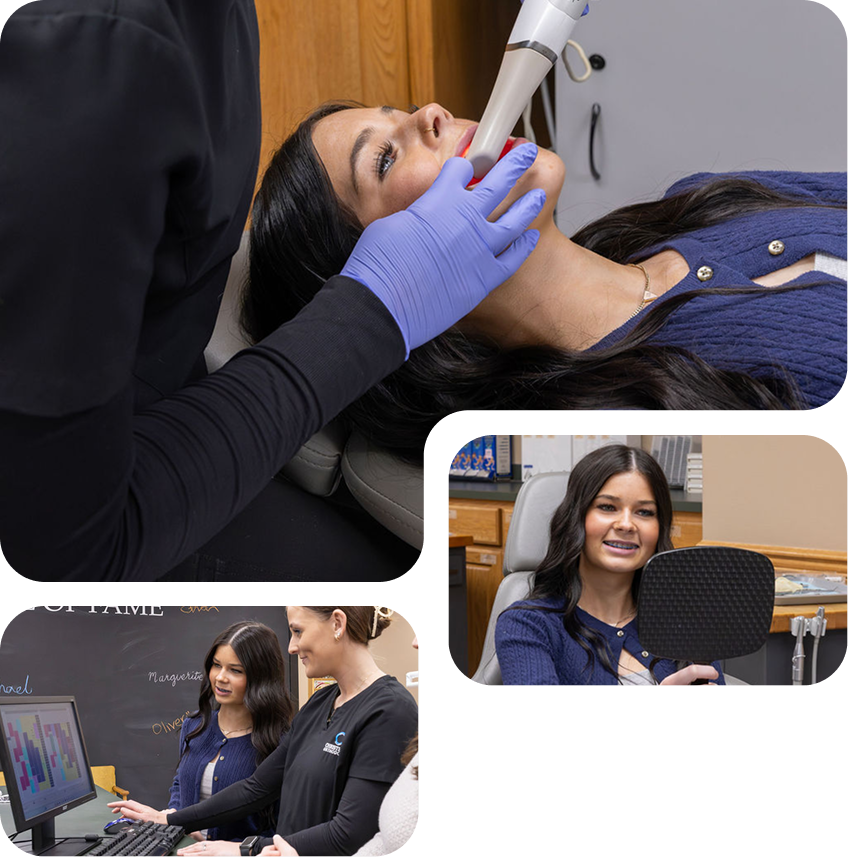
They are dealing with fatigue, CPAP or oral appliance dependence, clenching and grinding, head pain, or sleep apnea that has been managed but not corrected.
Many have been told surgery is their only option.
Our approach prioritizes structural assessment. We always evaluate jaw width and airway space before recommending treatment.
In many cases, non-surgical expansion can reshape the jaws and increase airway space. This can reduce or eliminate physical and sleep-related symptoms, including decreasing the number of apneaic events experienced by sleep apnea sufferers.
The first step is a Comprehensive Airway Evaluation. Once we understand your anatomy and airway, we can determine whether MARPE/MAPDO (Adult Expansion) or another Adult Airway Solution makes sense.
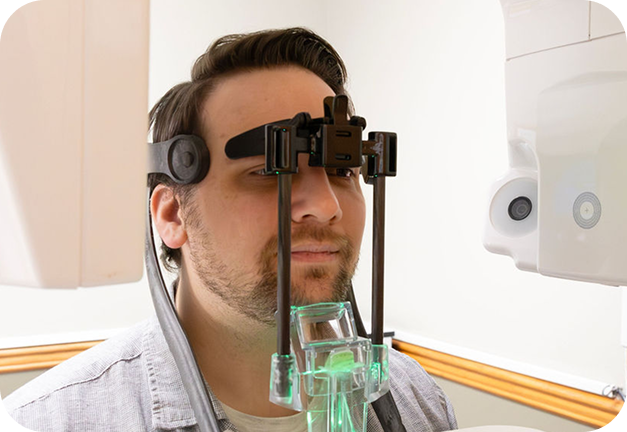

Braces are a tool we use as part of treatment, not where we begin.

Orthodontic treatment does not end when appliances are removed. Stability of orthodontic results over time depends on addressing the root cause of structural and functional problems.
When structure remains limited, teeth tend to shift. Retainers protect alignment while bone adapts. Stable nasal breathing and proper tongue posture reduce relapse.
Orthodontics is most predictable when we plan for stability from the beginning. If you want treatment decisions based on structure, breathing, and measurable findings, the first step is a Comprehensive Airway Evaluation.