Resources

Understanding airway-focused orthodontics can feel overwhelming. Most patients begin with questions about straight teeth. Many later realize the conversation also includes breathing, growth, and long-term stability.

This resource section is designed to help you understand how structure, airway health, and orthodontics work together.

We approach treatment through a structured sequence:

Evaluate jaw width

Assess airway space

Consider growth patterns

Measure before and after

Then align teeth within a stable foundation

Whether you are a parent concerned about your child’s breathing or an adult exploring skeletal expansion, the resources below are here to help you learn at your own pace.

Articles and Videos

Guides and Downloads

We have developed several guides to help patients and families understand airway-focused care before their first visit.

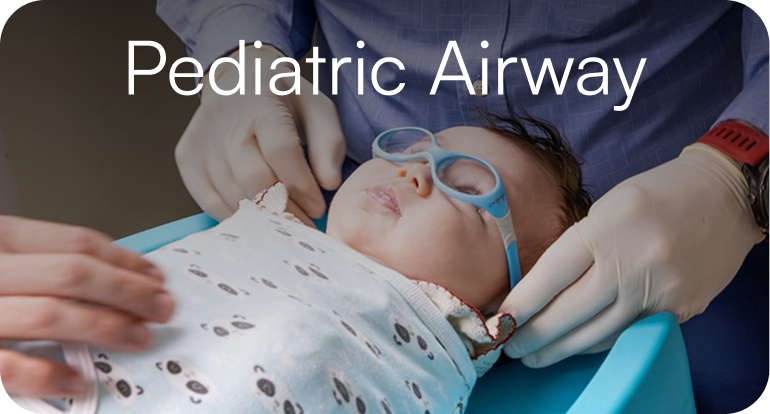
The Parent’s Guide to Airway and Growth


A downloadable guide covering early signs of airway restriction, how we measure jaw and airway development, what expansion actually does, growth timing, and when to act. Designed for parents exploring whether their child may benefit from evaluation.

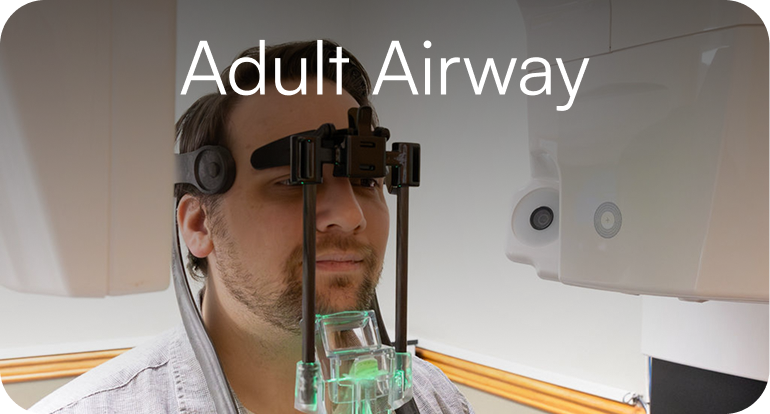
Adult Skeletal Expansion Explained

A guide for adults exploring structural treatment. Covers what MARPE/MAPDO is, how nasal volume changes with expansion, what the measurements mean, sleep apnea basics, and what to expect from treatment.

Understanding the Six Key Airway Measurements

An overview of the six structural metrics we track in every case: minimum cross-sectional area, nasal volume, nasal floor width, palatal width, mandibular position, and tongue space. Designed to help patients and referring providers understand how we measure what we treat.

Featured FAQs

What age should my child be evaluated for orthodontics?

The American Association of Orthodontists recommends evaluation by age seven. However, airway and jaw development can be assessed much earlier. If a child shows signs of mouth breathing, restless sleep, or early jaw narrowing, evaluation may be appropriate before age seven. Early evaluation does not mean early treatment. It means early measurement.

Does mouth breathing affect jaw growth?

Yes. When a child breathes through the mouth instead of the nose, the tongue often rests low rather than against the palate. Over time, this can contribute to a narrower upper jaw, reduced nasal airway space, and altered facial growth patterns.

Can a child outgrow snoring?

Habitual snoring in children is not considered normal. It can indicate airway resistance, enlarged tonsils or adenoids, narrow palatal development, or restricted nasal airflow. Snoring that persists warrants evaluation, especially when paired with restless sleep or daytime fatigue.

What happens if we wait?

Growth continues whether we intervene or not. When the upper jaw is narrow and nasal breathing is restricted, those patterns tend to reinforce themselves over time. Earlier evaluation provides more options, and those options are often simpler. Waiting does not correct structure.

Can expansion improve sleep apnea?

In selected adults, skeletal expansion has reduced apnea events into the mild or normal range. Results vary based on anatomy, baseline severity, and overall health. We measure before and after treatment to document whether structural change produces meaningful improvement.

Is adult expansion surgical?

In most cases, no. MARPE/MAPDO was developed to reduce the need for surgical maxillary expansion. However, some adults may require a minor corticotomy (a small surgical release of the mid-palatal suture) to support predictable skeletal widening. Candidacy is determined through imaging and evaluation.

What is MARPE/ MAPDO?

What is MARPE/MAPDO?

MARPE stands for Mini-Implant Assisted Rapid Palatal Expansion.

MAPDO stands for Mini-implant Anchorage Programmed Distraction Osteogenesis.

It is an implant-supported method of widening the upper jaw in skeletally mature adults by anchoring an expander directly to bone rather than relying on the teeth. This allows true orthopedic expansion after growth is complete.


Can expansion reduce CPAP dependence?

Some patients have reduced or eliminated their reliance on CPAP after structural expansion. This depends on whether skeletal restriction is a significant contributor to airway collapse. We evaluate each case individually and track outcomes with sleep data before and after treatment.

What is the SPACE Framework?

The SPACE Framework is the structured system we use to organize airway-focused care: Screen for airway and growth issues. Prioritize function. Assess with data. Create space. Evaluate outcomes. Each step builds on the one before it.

What makes airway-focused orthodontics different?

Traditional orthodontics focuses primarily on aligning teeth. Airway-focused orthodontics evaluates how jaw width, nasal airflow, breathing patterns, and sleep quality interact with alignment. Structure comes before cosmetics. We measure before we move.

Do you treat both children and adults?

Yes. We evaluate and treat patients of all ages, from infants with tongue tie and feeding concerns through adults with sleep apnea and structural restriction.

Is this peer-reviewed research?

The data presented on our website reflects structured clinical observations from our practice. Over 340 cases meet strict criteria for standardized measurement. These findings are currently undergoing independent review and are not presented as peer-reviewed publication at this time.

Do you coordinate with my dentist or other providers

Yes. We communicate with referring providers throughout treatment and welcome collaboration with dentists, ENTs, sleep physicians, myofunctional therapists, and other specialists involved in your care.

What is the first step?

The first step is a Comprehensive Airway Evaluation. We measure structure, assess breathing, and explain what we find. From there, we help you decide what makes sense.

Thank you for reaching out!

Someone from our team will get back to you shortly.